Omnis AI — UX Audit Assistant
An AI engine that logs into any web product, audits every screen & state, and ships developer-ready annotated reports — every finding grounded in the real DOM.
UX Audit
Product Designer & Design Engineer for AI & SaaS — I design and ship in code, from 0→1 prototypes to a design system used across 8+ products.
Book a 1:1 callAn AI engine that logs into any web product, audits every screen & state, and ships developer-ready annotated reports — every finding grounded in the real DOM.
Takes an AI-generated React component, detects which of 10 edge states it's missing, and writes designed, drop-in code for each — empty, loading, error, validation & more.
A tool that scaffolds, edits & audits a React + TypeScript component library in its own house style — generate a component, regenerate its docs, open a PR, all to a written standard.
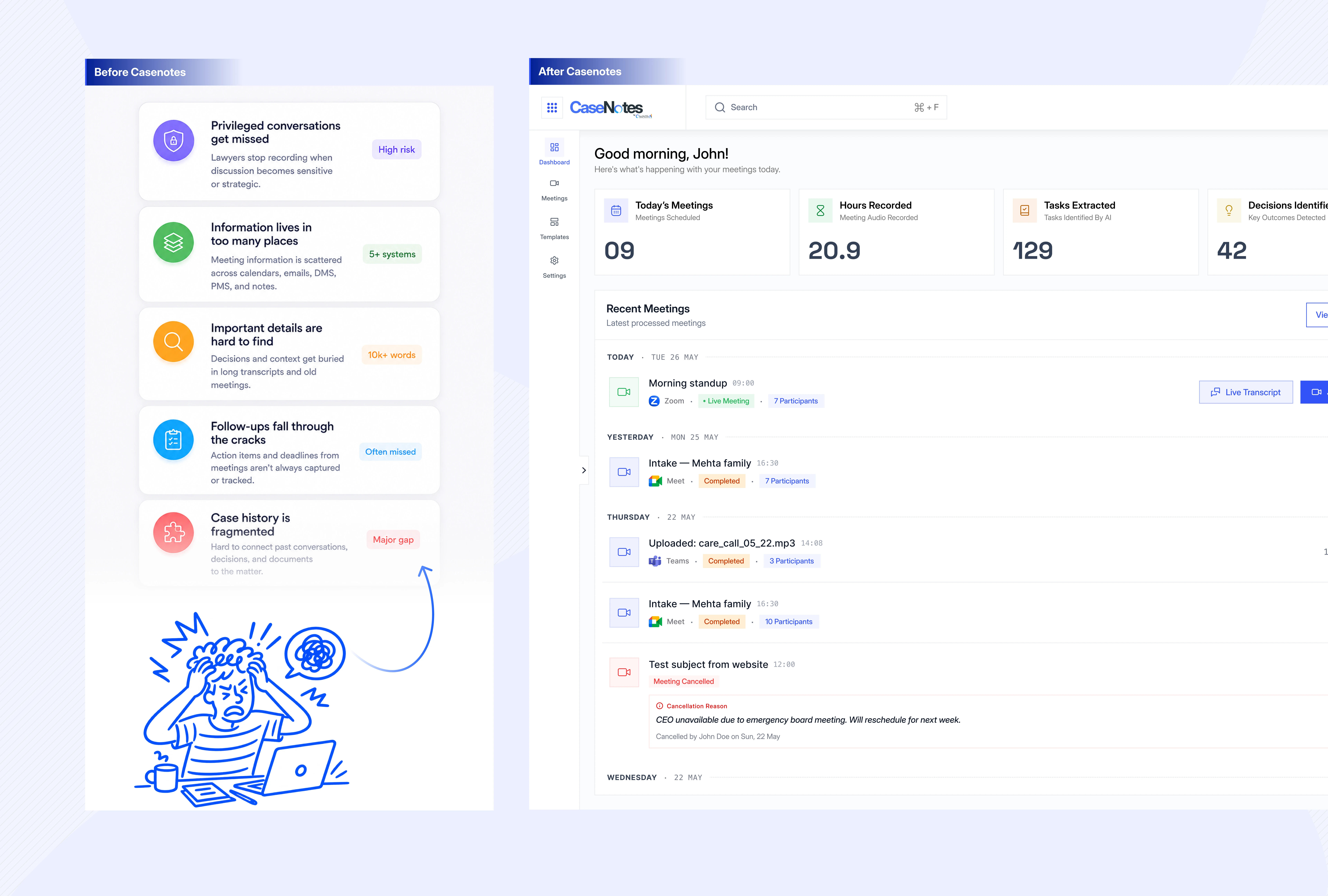
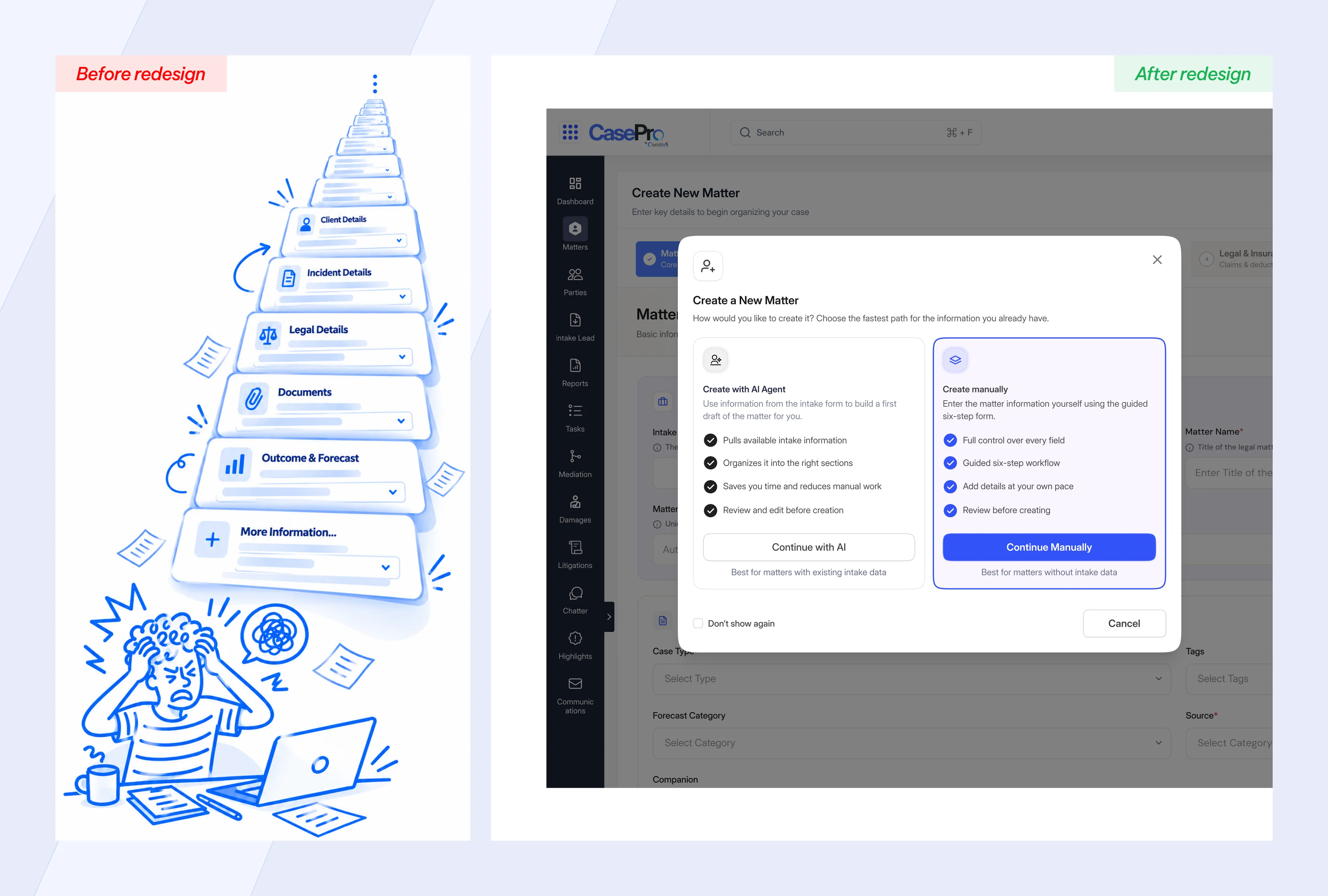
Built and scaled a unified design system adopted across 8+ AI-powered legal products — one source of truth that let a small team ship like a big one.
Unified a fragmented product suite under one design system — a single source of truth for faster shipping and a consistent user experience.
Critical AI Feedback
Most AI assistants default to positive encouragement instead of critical analysis. Whether evaluating product decisions, code, or UX patterns, they often optimize for agreement rather than accuracy.
I built Honest Review to challenge assumptions, highlight weak reasoning, and deliver direct evidence-based feedback.
Automated Design QA
Waiting for manual QA or design review catches UI bugs too late. I built an automated workflow that runs on pull requests, auditing code against original Figma specs to detect visual and usability flaws.
The report feeds into Claude to auto-apply fixes, creating a continuous AI-powered review loop.
Deep Work Automation
Switching between chat tools and task managers constantly breaks deep focus. Instead of manual ticket management, I built a Claude workflow that creates, updates, and assigns Huly tasks via natural language.
It keeps Slack automatically synced, enabling frictionless project management.
Design System Ops
Maintaining design system components manually becomes a bottleneck as products scale. I created Forge, an internal automation workflow that empowers Claude to create and manage system components.
It preserves tokens and naming conventions to achieve system consistency at scale.
Production-Ready AI UI
Generic AI UI generators ignore spacing, typography grids, and existing design systems. I engineered a workflow that generates UI components directly inside our production design system using Claude and Figma MCP.
This produces production-ready interfaces ready for deployment.
0 to 1 Discovery
Great digital products begin long before high-fidelity interface design. As founding designer, I led discovery by defining user journeys, mapping architecture, and validating assumptions.
From workshops and wireframes to prototypes, I turned early concepts into engineer-ready product specs.
Scalable System Architecture
Scaling multiple SaaS products often leads to fragmented user experiences. I architected a shared design system that provided designers and engineers with a unified component foundation.
This accelerated delivery while maintaining a consistent brand experience across 8+ products.
End-to-End Product Shipping
The best way to master product strategy is by building software end-to-end. Beyond client work, I build independent products, like a QR food scanner, handling strategy, UX, UI, and code.
Shipping solo deepens my grasp on design, engineering, and business trade-offs.
Automated Designer Workflows
Repetitive tasks like documentation, UX writing, and handoff reviews follow predictable rules. I created custom Claude Skills and MCP workflows to automate these routine overhead tasks.
Eliminating busywork frees up time to focus on solving core product problems.
Seamless Engineering Handoff
Product quality gaps most frequently occur during engineering handoff. I craft production specifications, reusable components, and AI-assisted handoff workflows.
This eliminates ambiguity, speeds up implementation, and helps engineering teams ship features with confidence.