UX for PMs: The Secret to Building Products Users Love
Introduction
Hey there! Welcome to the exciting world of product management! Ever wondered what makes some products super successful while others flop? Well, here’s the secret sauce: User Experience, or UX for short. As a product manager, knowing how to make the most of UX is super important. It’s all about creating products that users can’t get enough of. In this blog, we’ll dive into how you can use UX to make your products amazing and keep your users happy. Ready to uncover the magic of UX? Let’s get started.
Understanding the Role of UX in Product Management
User Experience (UX) is like the vibe you get when using a product — it’s about how everything feels, looks, and works together. As a product manager, you’re like the captain steering the ship, and UX is your compass. It helps you understand what users want and need, making sure your product is easy to use, accessible to everyone, and leaves users smiling. By focusing on UX, you’re not just making a product — you’re creating an experience that users will love, stick with, and tell their friends about. Imagine you’re the owner of an online store so your online store should be like a dream shop — easy to navigate, helpful, and a joy to explore. Great UX design is the secret sauce, making it simple for customers to find what they love and buy it with ease, boosting sales and happy shoppers!
Strategic Approaches to Enhance UX in Product Management
1. User Research: Conducting thorough user research helps product managers gain insights into user behaviors, preferences, and pain points. For example, an e-commerce company may conduct surveys and interviews to understand why customers abandon their shopping carts. By analyzing this data, the product team can identify opportunities to improve the checkout process and reduce cart abandonment rates.
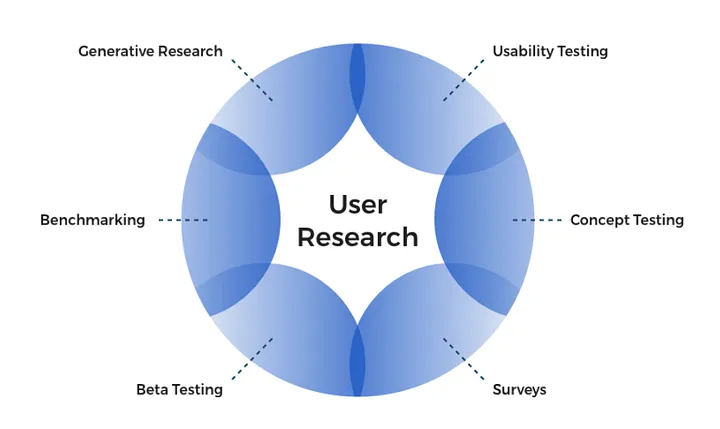
2. User Research: Conducting thorough user research helps product managers gain insights into user behaviors, preferences, and pain points. For example, an e-commerce company may conduct surveys and interviews to understand why customers abandon their shopping carts. By analyzing this data, the product team can identify opportunities to improve the checkout process and reduce cart abandonment rates.
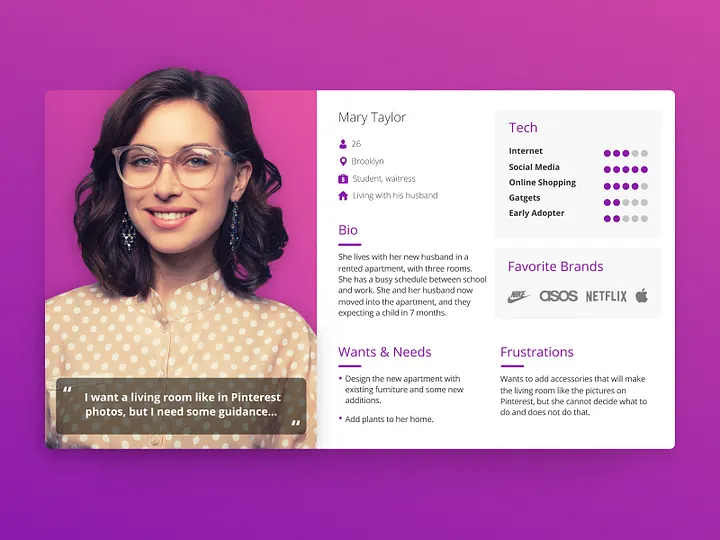
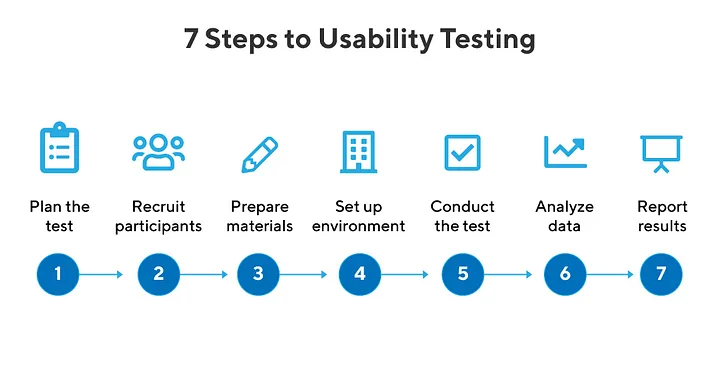
3. Usability Testing: Usability testing involves observing users as they interact with prototypes or existing products to identify usability issues and gather feedback for improvement. For example, a mobile app development team may conduct usability tests to assess how easily users can navigate the app and complete common tasks such as signing up or making a purchase. Based on the feedback received, the team can iterate on the design to enhance the user experience..
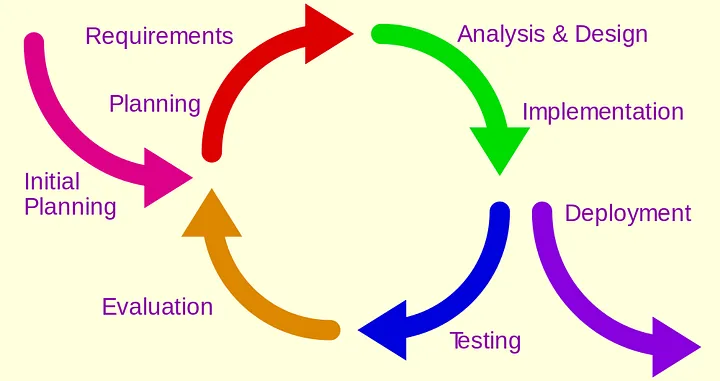
4. Iterative Design: Adopting an iterative design approach allows product managers to continuously refine and improve products based on user feedback and evolving needs. For instance, a project management software company may release new features in small increments and gather user feedback after each release. By iterating on the product based on user input, the company can ensure that it remains relevant and valuable to its users over time.
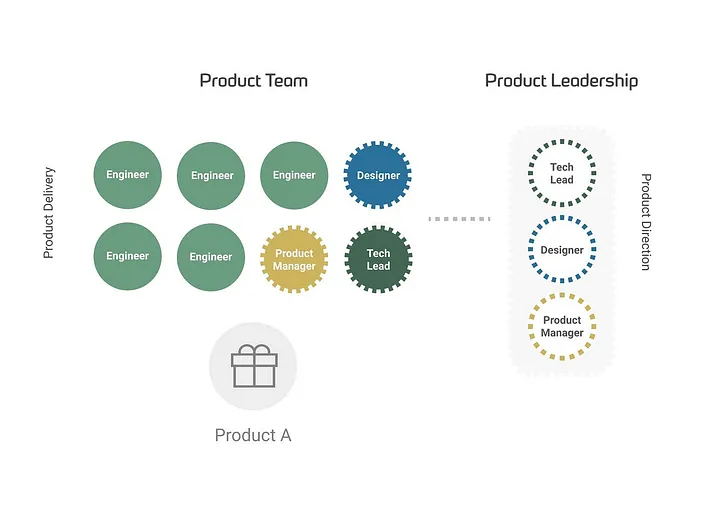
5. Cross-Functional Collaboration: Collaboration between product managers, designers, developers, and other stakeholders is essential for incorporating UX into product management effectively. For example, during the development of a new e-commerce website, the design team may collaborate closely with the development team to ensure that the website’s layout and functionality align with user needs and technical constraints. By working together, the team can create a seamless and user-friendly shopping experience.
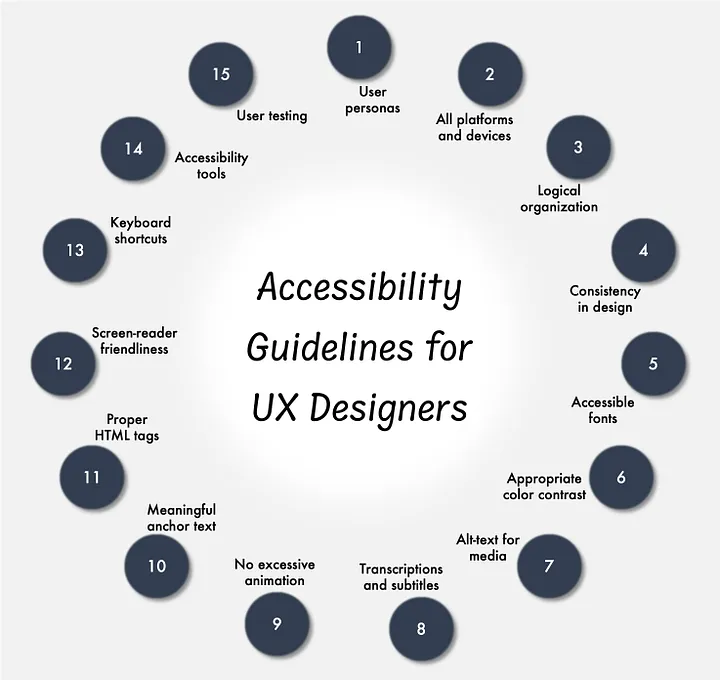
6. Accessibility: Ensure your product is usable by everyone, regardless of abilities. Consider users with visual impairments, motor limitations, and cognitive differences. Here are some resources to get you started: W3C Web Accessibility Initiative
Why UX Matters for Product Managers:
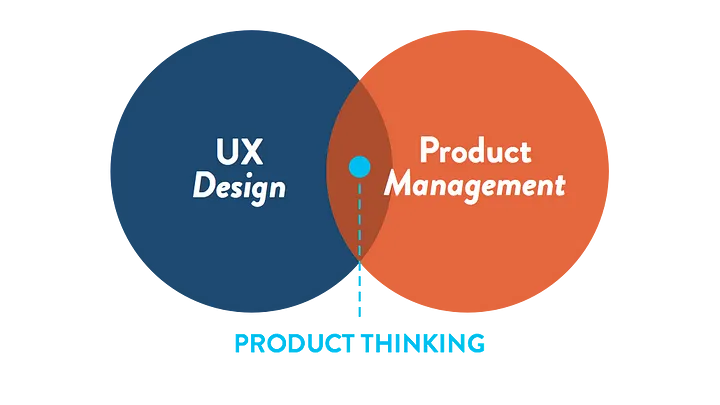
Imagine making a product you’re super proud of, but then nobody wants to use it because it’s confusing or hard to figure out. That’s where UX comes in to save the day! Here’s why UX is important for product managers:
- Happy Users = More Users: Great UX means users who are happy and keep coming back. When a product is easy to use and helps people do what they need to do, they’re more likely to stick around and tell their friends.
- Save Time & Money: Finding problems with your product early on, before you launch it, is way cheaper than fixing them later. UX reserch
- Decisions Based on Facts: UX research tells you what real people actually do when they use your product. This helps you make decisions about your product that people will really love.
- Stand Out from the Crowd: There are tons of products out there. A product that’s easy and enjoyable to use can be a major advantage and help you win over customers.
Involving Users Throughout Your Product Journey: A Simple Guide
1. Talk to Real People (Before You Build):
- Don’t guess what users want — ask them! Conduct interviews, surveys, or workshops with potential users to understand their problems, desires, and frustrations.
- Build a rough draft of your product (think like a simple sketch) and test it with users. This helps catch any major issues
2. Team Up for Success (During Design & Development):
- Assemble your dream team: UX designers, researchers, and developers. Everyone should be focused on making the product user-friendly.
- Use the insights from talking to users to guide your design decisions. UX designers can then create easy-to-navigate layouts and clear instructions for your product.
3. Listen After Launch (After You Build):
- Once your product is out there, use tools to track how people actually use it. See how long tasks take, if users complete them successfully, and any areas where they get stuck.
- Give users easy ways to tell you what they think (surveys, in-app feedback forms). Listen to their suggestions and complaints, and use them to improve your product in the future.
PM Power-Ups: Stay Sharp on UX
Stay Ahead of the Curve:
- Attend UX conferences or workshops.
- Read UX blogs and websites.
- Join online UX communities.
Champion UX Value:
- Show how good UX = happy customers and more money!
- Use data to prove the impact of UX decisions.
- Share success stories of companies that prioritized UX.
Conclusion
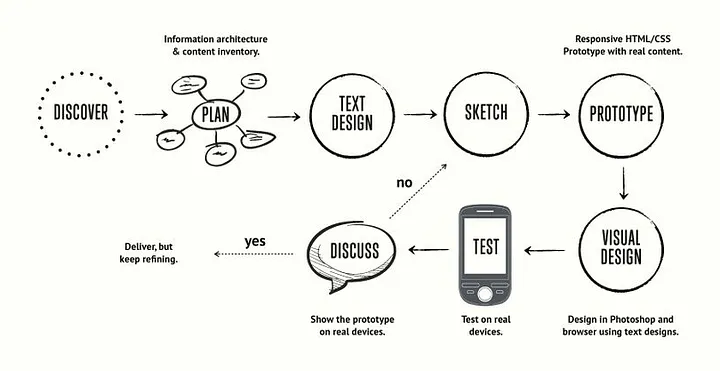
Great product ideas need a user-friendly design to succeed! This guide explores two key skills: Interaction Design (IxD) and Prototyping.IxD is like designing a user journey through your product. Imagine users walking through your app, completing tasks easily. It’s all about making things clear and intuitive.Prototyping lets you build a mock-up of your product, like a sketch or digital model. This helps you test your ideas with real people early on. Get their feedback and make improvements before you invest a lot of time and money.Think of it like trying on a new outfit before you buy it! With prototyping, you can see how your product looks and feels to users, and make sure it fits their needs. These skills will help you build products that people love to use!