Teamwork Makes the Dream Work: Collaboration and Communication in Ecommerce
Introduction
If you are making a product or you have a good idea to make a product but you can’t make this alone right? just like any successful orchestra, your online store needs a team of talented individuals working together to create a harmonious shopping experience. Collaboration and communication is a skills that holds everything together, ensuring everyone on your team, from product managers to marketers, understands their role and how it contributes to the bigger picture.
Stakeholder management
Stakeholder management is also the bigger part of collaboration and communication. Imagine you’re building a product, like a new app. To make it successful, you need to work well with different people, like your boss, the engineers & designer who build it, and the people who will use it. This blog post will talk about how to do that! We’ll cover what “stakeholder management” means and how to work together and communicate effectively with everyone involved in bringing your product to life.
What is stakeholder?
In the context of product management, a stakeholder is anyone who has an interest in the product’s success or is affected by its development, implementation, or use. Stakeholders can be internal or external to the organization developing the product.
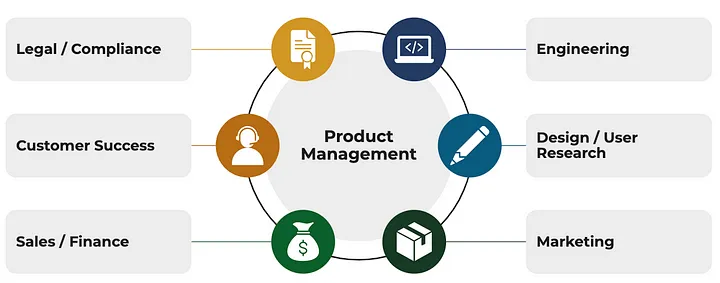
1. Internal Stakeholders: Executives: Provide funding, set strategic direction, and champion the product. Product managers: Lead the product development process and manage stakeholder relationships. Engineers: Build and maintain the product’s technical infrastructure. Designers: Create the user interface and user experience of the product. Marketers: Promote the product and generate awareness among potential users. Sales team: Sells the product to customers.
2.External Stakeholders: Customers: Use the product and provide feedback. Investors: Provide funding for the product’s development. Partners: Collaborate with the organization to develop or distribute the product. Regulatory bodies: Ensure the product complies with relevant laws and regulations.
Why Stakeholder Management Important?
Imagine you're making a movie masterpiece. Everyone involved, from actors to producers, needs to work together. In software development, it's the same. Different people (stakeholders) all have a role to play. Just like a great movie needs everyone on the same page, a successful software project needs clear communication and teamwork between everyone involved.
1. Everyone’s on the same page: By effectively communicating with stakeholders, everyone from executives to designers understands the product’s goals, target audience, and desired outcomes. This prevents confusion and ensures everyone works towards the same vision.
2. Better decision-making: Different stakeholders bring different perspectives to the table. When you involve them in discussions and consider their viewpoints, you can make more informed and well-rounded decisions for your product.
3. Reduced roadblocks: Clear communication minimizes misunderstandings and surprises. By proactively addressing concerns and keeping everyone informed, you can avoid delays and keep the project moving smoothly.
4. Increased support: Stakeholders who feel involved and heard are more likely to advocate for your product and contribute to its success. This can be crucial for securing funding, gaining buy-in from different teams, and ultimately, reaching your target audience.
Collaboration and communication

A. Together We Win: A Collaborative Toolkit for Product Managers
Ever heard the saying “two heads are better than one”? Well, that’s especially true in product management! As a product manager, you’re the champion for a product — you gotta make sure it’s useful, enjoyable, and solves a problem for real people. But you can’t do it all alone. Here’s why collaboration and communication are your secret weapons
Building the Puzzle: How Collaboration Works in Product Development
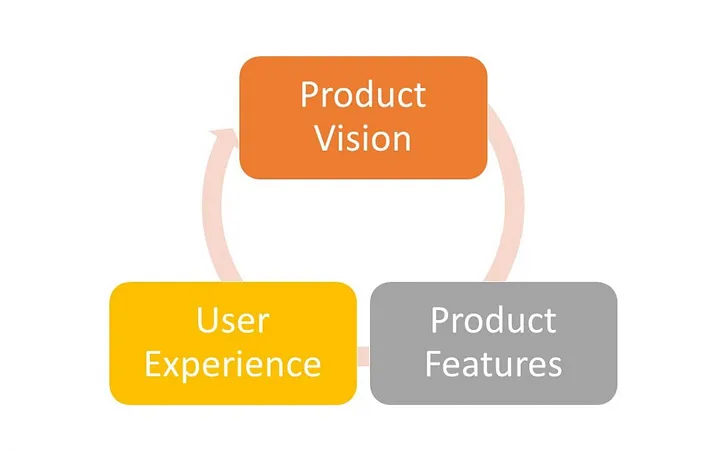
Imagine you have a brilliant idea for a language learning app that uses gamification to make learning engaging. This is your big picture, the core vision that excites you. But before you can turn this vision into reality, you need to collaborate with various teams, each playing a crucial role in assembling the puzzle pieces of your app.
1. Working with Designers: Translating Vision into User Experience
- . Brainstorming sessions: You’ll work with designers to sketch out ideas for the app’s layout, navigation flow, and visual style. This might involve mood boards, user personas, and wireframes — low-fidelity mockups that represent the app’s basic structure.
- Prototyping: As ideas solidify, designers create interactive prototypes that simulate the app’s functionality. You and your team can test these prototypes with potential users to gather feedback and ensure the app is easy to navigate and understand.
- Design iterations: Based on feedback, you’ll collaborate with designers to refine the design. This could involve tweaking colors, changing button placements, or even rethinking entire user flows — all in the pursuit of an optimal user experience.
2. Partnering with Engineers: Building the Dream Machine Engineers are the builders who bring your vision to life. They translate the designs into a functioning app, ensuring it performs seamlessly and integrates with various functionalities. Collaboration with engineers involves:
- Technical feasibility discussions: You’ll discuss your feature ideas with engineers to understand technical limitations. They’ll advise on what’s achievable and suggest alternative solutions if needed.
- API integrations: Many apps rely on Application Programming Interfaces (APIs) to connect with external services. You’ll collaborate with engineers to determine which APIs are necessary and how to integrate them effectively. c. Testing and bug fixing: Once built, engineers work closely with you and designers to test the app thoroughly. You’ll identify and report bugs, and together you’ll work towards a bug-free, stable product.
- Testing and bug fixing: Once built, engineers work closely with you and designers to test the app thoroughly. You’ll identify and report bugs, and together you’ll work towards a bug-free, stable product.
3. Aligning with Marketers: Reaching the Right Audience
Marketers are the storytellers who spread the word about your app and attract potential users. Their success hinges on understanding your product vision and target audience:
- Market research: You’ll collaborate with marketers to define the target audience for your language learning app. This might involve understanding demographics, learning motivations, and competitor analysis.
- Crafting a compelling message: Working with marketers, you’ll develop a unique value proposition — a clear message that outlines why users should choose your app over others.
- Go-to-market strategy: You’ll work with marketers to develop a go-to-market strategy that includes the app launch plan, marketing channels, and user acquisition tactics.
Effective Collaboration Strategies

- Shared Vision and Goals: Establish a well-defined product vision that outlines the “why” behind your product. Translate this vision into specific, measurable goals for each team, ensuring everyone understands how their work contributes to the bigger picture.
- Regular Team Meetings: Schedule regular meetings, both formal and informal, to share updates, discuss roadblocks, and brainstorm solutions. These meetings become a platform for open dialogue, fostering a sense of shared ownership and accountability.
- Cross-Functional Collaboration Tools: Utilize project management tools like Trello, Asana, or Jira to provide real-time visibility into progress. Shared documents, whiteboards, and collaborative design platforms can further streamline communication and break down silos between teams. Embrace Diverse Perspectives: Diversity of thought is a recipe for innovation. Encourage team members to share their ideas, concerns, and suggestions openly. This fosters a culture of learning and allows the team to leverage the strengths of each individual.
- Celebrating Success: Recognize and celebrate milestones, both big and small. This reinforces the value of teamwork and motivates everyone to strive for the product’s success.
B. The Art of Communication: A Product Manager’s Toolkit

Communication is the bridge that connects the product vision with its execution. Here’s how product managers can hone their communication skills:
- Active Listening: Actively listen to team members, pay attention to their concerns, and ask clarifying questions. This demonstrates respect and ensures everyone feels heard.
- Clear and Concise Communication: Avoid technical jargon, use plain language, and tailor your communication style to your audience. Storytelling: Weave a compelling narrative around your product. Explain its purpose, highlight its benefits, and paint a picture of how it solves user problems. This resonates with stakeholders and creates a sense of buy-in.
- Transparency and Honesty: Be upfront about challenges, roadblocks, and potential delays. Foster a culture of open communication where honesty is valued over sugarcoating issues.
- Empathy and Emotional Intelligence: Understand the perspectives and motivations of your team members. Acknowledge their efforts and tailor your communication style accordingly
Steps for better collaboration and communication
Step-1 Aligned Vision and Goals:
- Articulate a clear product vision: Define the “why” behind your product — the problem it solves and the value it delivers.
- Translate vision into measurable goals: Break down the vision into specific, actionable objectives for each team, ensuring everyone understands their contribution to the bigger picture.
- Regular communication: Regularly communicate the product vision and goals to all stakeholders. Consistent messaging reinforces alignment and focus.
- Empathy and Emotional Intelligence: Understand the perspectives and motivations of your team members. Acknowledge their efforts and tailor your communication style accordingly
Step-2 Communication Channels:
- Schedule recurring meetings: Establish a cadence of meetings, encompassing formal status updates and informal brainstorming sessions. These meetings provide a platform for open dialogue and information sharing.
- Collaborative tools: Leverage project management tools like Trello or Asana to provide real-time visibility into tasks and foster ongoing communication. Shared documents, whiteboards, and design platforms further streamline collaboration.
- Open Communication: Cultivate an environment where team members feel comfortable expressing ideas, concerns, and suggestions. Utilize anonymous feedback surveys or open forum discussions to encourage participation.
Step-3 Fostering Collaboration:
- Build trust: Invest in building trusting relationships with team members from different disciplines. Understand their strengths, challenges, and perspectives.
- Active listening: Practice active listening skills during discussions. Pay close attention to what team members are saying, ask clarifying questions, and acknowledge their contributions.
- Celebrate success: Recognize and celebrate milestones achieved through collaborative efforts. This reinforces the value of teamwork and motivates everyone to strive for the product’s success.
Step-4 Transparency and Honesty:
- Proactive updates: Share updates on project progress proactively, even if there are setbacks. Transparency fosters trust and allows everyone to adapt to changing circumstances.
- onstructive feedback: Encourage team members to provide honest feedback on ideas and prototypes. Don’t shy away from challenging conversations; use them as opportunities for growth.
- Accountability: Follow through on commitments and hold yourself accountable for deadlines. This sets a positive example for the rest of the team.
5 key points from this blog
- Everyone Works Together: Just like a movie needs actors, directors, and camera people, your online store needs different teams (design, tech, marketing) to collaborate and succeed.
- Talk it Out: Clear communication is key! Everyone involved needs to be on the same page to avoid confusion and build a great store.
- Listen Up! Hearing different ideas and perspectives from each team member helps create a better online store.
- High Five!: Celebrate successes along the way to keep everyone motivated and excited about the project.
- All on Board: From company leaders to customers, everyone who has a stake in the online store needs to be informed and involved (in appropriate ways).
Conclusion:
In e-commerce, collaboration and communication are the magic ingredients for success. Effective stakeholder management ensures everyone is on the same page. A product comes together through teamwork, with designers crafting the UX, engineers building the app, and marketers reaching the audience. By implementing communication strategies and fostering a collaborative environment, product managers can turn their vision into a thriving online store.