Unveiling Success: Crafting a Powerful Product Strategy in Product Management
In the world of product management, a good product strategy is like a map helping teams find their way through the busy world of creating things. Let’s talk about how to make a strong product strategy in a way that’s easy to understand, and we’ll also check out some useful tools to get better at it.
Understanding the Essence of Product Strategy
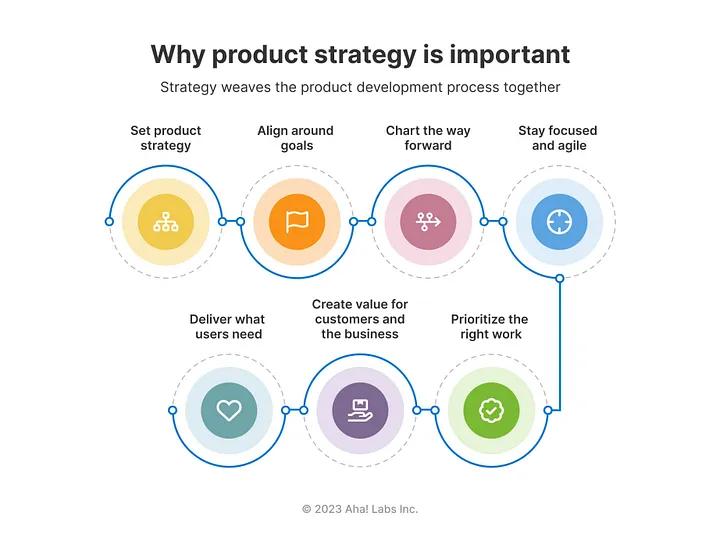
Think of a product strategy like the big plan that guides a product’s journey. It covers everything from what the product aims to do to how it should be easy for users. It’s like a blueprint that makes sure everyone working on the product is heading in the right direction, following the big goals of the business. It’s basically the map for making the product successful! 🗺️✨
Critical Ingredients for a Strong Product Strategy
All major step are given below
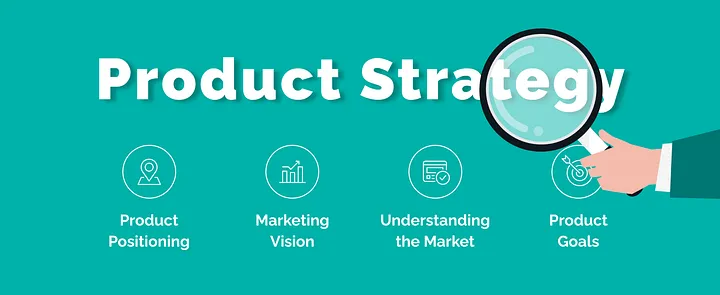
Crystal-Clear Objectives Make sure your goals are super clear, easy to measure, and fit into the bigger plans of the business. These goals are like the strong base for building your whole strategy.
User-Centric Focus: Get to know the people who might use your product really well. Create detailed profiles (like character cards) to understand what they like, what they need, and what problems they face. This helps make sure your strategy really connects with the people who will use your product. 🤔💡
Thorough Market Analysis: Check out everything happening in the market. Find out who else is doing what you want to do, see how they’re doing it, and find special ways for your product to stand out. It’s like exploring a big playground to figure out where your product can be the coolest and most unique! 🌍🔍
Alignment with Company Vision: Make sure that the plan for your product fits perfectly with what the whole company wants to achieve. Your product should be like a helpful sidekick, working towards the big goals of the company in a really meaningful way. It’s all about teamwork! 🚀🤝
Prioritization and Roadmapping: Create a plan that puts the most important things first, like what users really want, what’s trendy in the market, and what the business needs. This plan is like a picture guide that helps everyone see how to bring these ideas to life step by step. It’s your visual map for making things happen! 🗺️🌟
Crafting a Product Strategy: A Step-by-Step Guide
1. Research, Research, Research: Immerse yourself in market research. Understand industry trends, competitor strategies, and gather insights into user behaviors and expectations.
2. SWOT Analysis: Perform a SWOT analysis to assess internal strengths and weaknesses, as well as external opportunities and threats. This analysis forms the basis for strategic decisions.
3. SMART Objectives: Set objectives that are Specific, Measurable, Achievable, Relevant, and Time-bound. These objectives provide clarity and focus.
4. User-Centric Design: Prioritize user needs throughout the strategy. Utilize user personas to create a human-centered approach, ensuring the end product resonates with the intended audience.
5. Collaborative Planning: Involve key stakeholders from different departments to ensure cross-functional collaboration. A collaborative approach ensures alignment with broader business objectives.
6. Collaborative Planning: Continuous Adaptation: Acknowledge that a product strategy is a dynamic document. It should evolve based on user feedback, market shifts, and technological advancements.
Examples of Successful Product Strategies:
some examples given below
Amazon’s Customer-Centric Approach: Amazon’s strategy revolves around an obsessive focus on customer satisfaction, driving decisions to enhance the shopping experience continually.
Google’s Innovation Ecosystem: Google’s strategy involves creating an ecosystem of interconnected products and services, fostering innovation and seamless user experiences.
Airbnb’s Community-Centric Model: Airbnb’s strategy centers on building a sense of community among hosts and guests, creating a unique and personalized travel experience.
Strategy Resources for Product Managers:
To further enhance your mastery of product strategy, explore these valuable resources:
Books
- “Inspired: How to Create Products Customers Love” by Marty Cagan
- “Good Strategy Bad Strategy: The Difference and Why It Matters” by Richard Rumelt
Blogs and Publications:
- Mind the Product Blog
- Harvard Business Review — Product Management Section
Podcasts:
- “Masters of Scale” by Reid Hoffman
- “The Product Experience” by Mind the Product
Conclusion
Crafting an effective product strategy demands a blend of industry knowledge, user empathy, and strategic acumen. By honing these skills and leveraging valuable resources, product managers can navigate the intricacies of product management with confidence. As the product strategy evolves, so too does the pathway to success in the ever-evolving landscape of the digital age.